Mechanical car parking moves several tonnes of steel with a car on it, in a basement, with people walking nearby. The panel that runs it has to be certain a pallet is empty before it moves, certain nobody is underneath, and certain the car is properly inside — every single cycle.
Free site visit and quotation across Faridabad, Ballabgarh, Palwal, Gurugram, Delhi NCR, Noida, Ghaziabad and Manesar. Looking for a car parking control panel manufacturer near you? Call +91 90154 04168 — same-day reply, or send your drawing on WhatsApp.
Mechanical car parking makes one plot hold two, three or many more cars by stacking or shuffling them on steel pallets. The mechanics are straightforward — hydraulic cylinders, chains, a puzzle arrangement of sliding and lifting platforms. The car parking control panel is where the difficulty lives, because before it moves anything it has to be certain of several things at once.
Is the pallet it is about to move actually empty? Is the car on the pallet fully inside, or hanging over the edge? Is anybody standing underneath? Are all the interlocked pallets where the logic thinks they are? Every one of those questions has to be answered by a sensor, not by an assumption — because the consequence of getting it wrong is a damaged car at best.
Every one of these systems is a custom sequence. Puzzle parking in particular has no fixed cycle: which pallets must move, and in what order, depends entirely on where the wanted car currently is. That is PLC logic, not a relay circuit.
Residential towers and housing societies, commercial and office buildings, hospitals, hotels, showrooms and service centres, and any site in Delhi NCR where the parking requirement is larger than the plot. We build the control panel, the hydraulic power pack and the PLC programming, working with the parking system fabricator or as part of a complete supply.
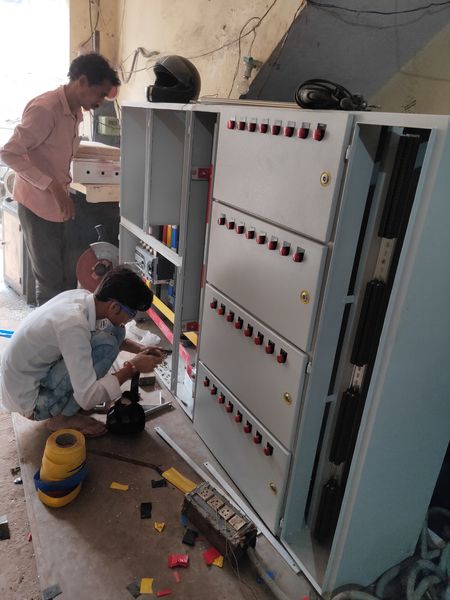
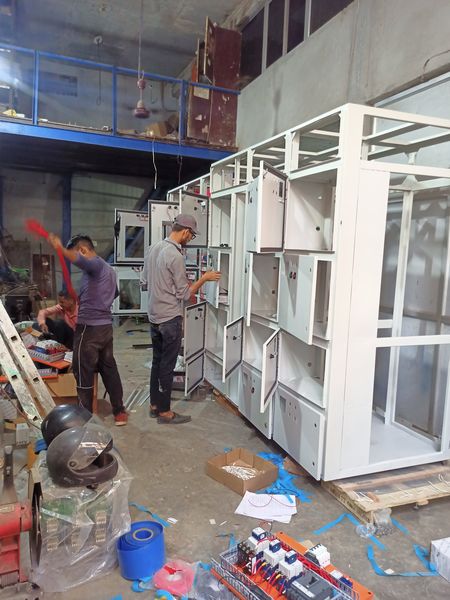
The panel, the hydraulic power pack and the PLC program are all done in our own Faridabad workshop, which matters on a system where the mechanics and the logic have to agree exactly.
Every pallet position sensed. The logic works out which pallets must move and in what order to bring your car to the entry level.
Vehicle detection confirms a pallet is genuinely empty before it is asked to move, rather than trusting the last recorded state.
A car parked too far forward or a roof box too tall stops the cycle before anything touches anything.
Light curtains or beams across the moving area, interlocked so motion cannot start or continue while broken.
Pilot-operated check valves so a raised pallet stays up, with a controlled manual lowering procedure documented.
Keypad or card, slot number, and a clear wait-or-ready indication. The complexity stays inside the panel where it belongs.
Photographs from our Faridabad workshop and from customer installations.
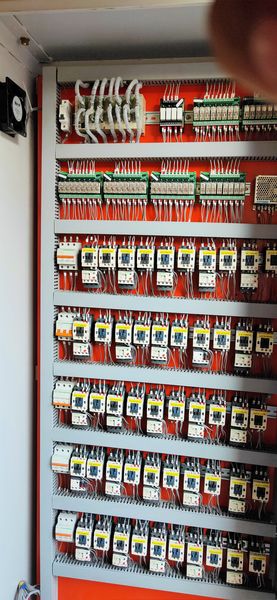
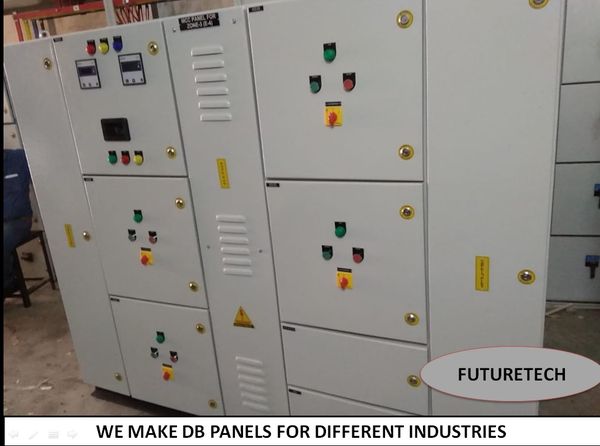
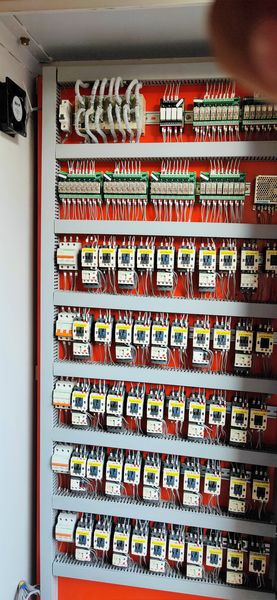
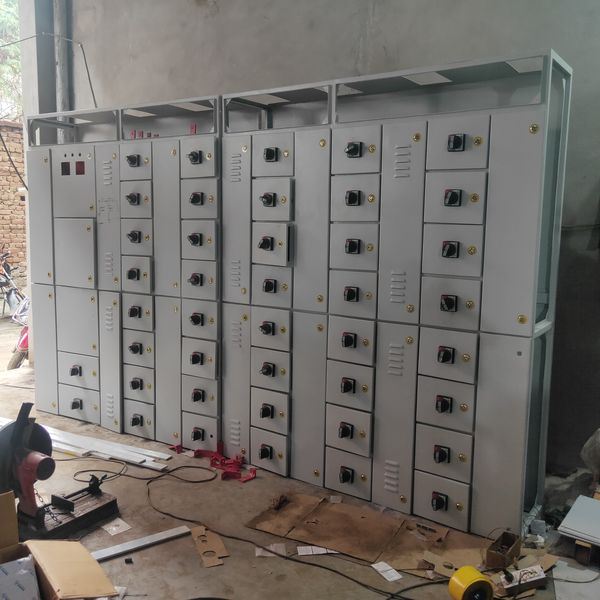
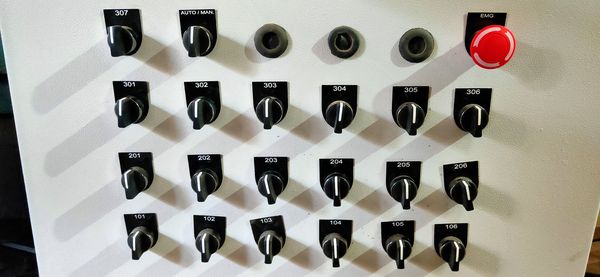
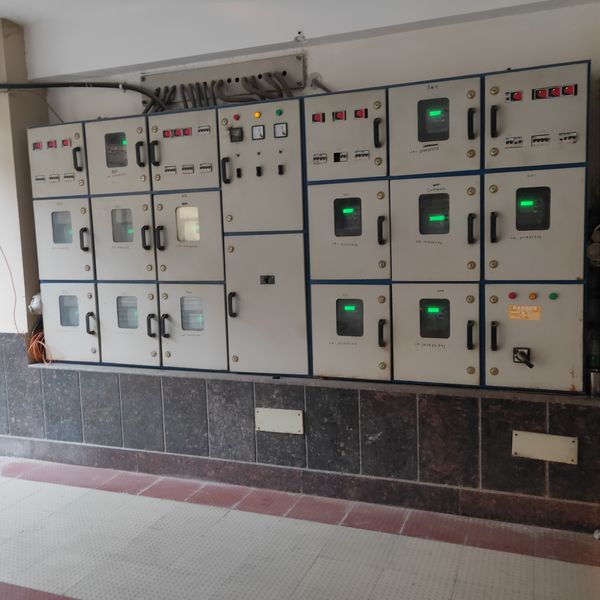
car-parking-panel.jpgComplete control panelcar-parking-panel-internal.jpgInternal wiring and PLCcar-parking-power-pack.jpgHydraulic power packpuzzle-parking-system.jpgPuzzle parking installationtwin-parking-system.jpgTwin / stack parkingcar-parking-user-panel.jpgUser operating stationEvery parking system is a custom sequence, so the logic and the safety arrangement are agreed and drawn before anything is built.
| Parameter | What it covers | Fixed at |
|---|---|---|
| System type | Twin, stack, puzzle, pit or tower arrangement | Enquiry |
| Capacity | Number of pallets, levels and cars | Enquiry |
| Vehicle limits | Maximum car weight, length, width and height | Enquiry |
| Movement | Which pallets slide, which lift, and the interlock rules | Drawing approval |
| Hydraulics | Power pack rating, cylinders, holding valves | Drawing approval |
| Sensing | Limit switches, photocells, overhang and height detection | Drawing approval |
| Safety | Light curtains, E-stops, manual lowering procedure | GA approval |
| User interface | Keypad, card reader or push-button, slot numbering | GA approval |
| Documentation | GA drawing, schematic, cycle chart, operating manual | Always |
On a puzzle system, the drawing that matters most is not the panel GA — it is the cycle chart showing which pallet moves when, and what must be true before each move is permitted. We produce that first and agree it with you and the fabricator, because it is the document that defines both the logic and the safety case.
It is also what makes the system maintainable. Five years later, when a sensor fails, the person diagnosing it needs to know what the machine was trying to do — and a cycle chart tells them in a way a wiring diagram never will.
Pilot-operated check valves hold the pallet in position — it does not drop. A documented manual lowering procedure lets a trained person bring the car down in a controlled way, and we train the maintenance staff on it at handover.
Photocells and pressure sensing confirm the car is present and fully inside the pallet envelope. Overhang and height detection stop the cycle if a car is too far forward or a roof box is too tall, before anything moves.
It depends on how many pallets have to shuffle to bring yours to the entry level, which depends on the grid size and the layout. We can estimate worst-case retrieval time from the layout at the design stage so residents know what to expect.
We build the control panel, the hydraulic power pack and the PLC program, and work with the parking system fabricator — or supply the complete package where you want one point of responsibility.
Position sensing on every pallet, vehicle detection, overhang and height detection, light curtains or beams across the movement zone, accessible emergency stops and holding valves. Motion cannot start or continue with any of them broken.
Card readers and keypads are standard. Remote or app-based operation can be added, though for safety the movement itself is always initiated at the station with the zone in view.
Yes — Delhi NCR, Gurugram, Manesar, Bhiwadi, Ghaziabad, Noida and across India.
Share the drawing or a photo on WhatsApp and we will come back with a method, a cycle time and a price.
Please add a phone number or an email so we can reply.
Only a phone number or email is needed. Everything else is optional — the WhatsApp chat opens with your requirement already written, so you can add the rest there.
Want to know more, or ask anything about Car Parking Control Panel? We reply fast on WhatsApp