A solenoid valve can fail on the coil, on the response time, on the seat, on the flow, on the wrong spring, or after ten thousand cycles. Testing only for leakage catches one of those. We build valve test benches that run the whole sequence in one cycle and record every result against the serial number.
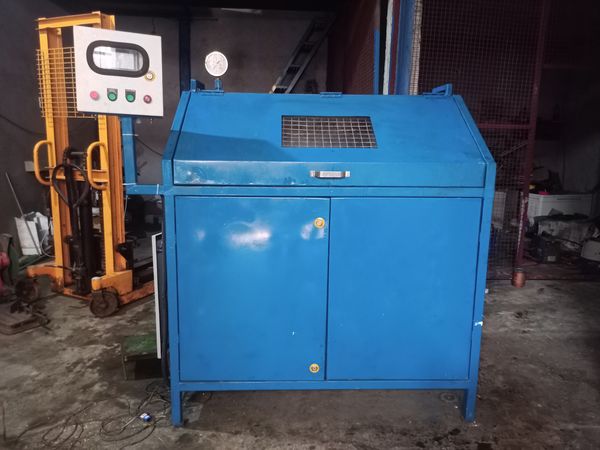
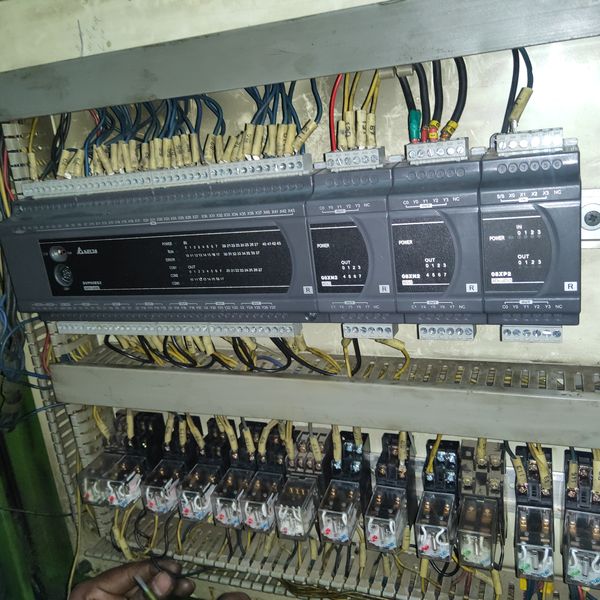
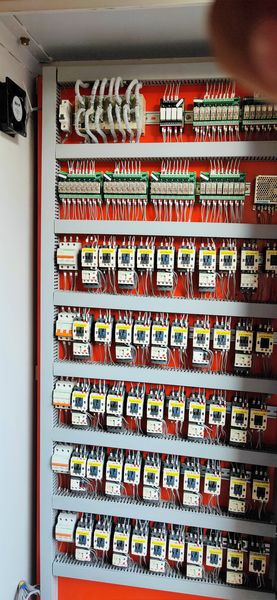
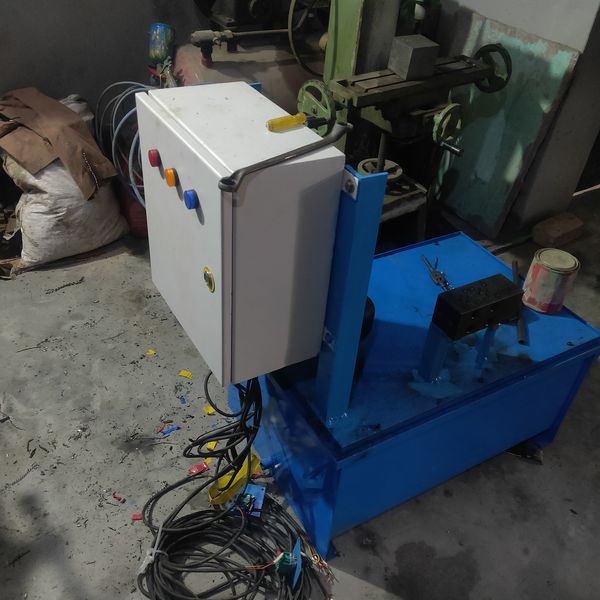
Solenoid valves fail in more ways than most components, and a bench that checks only one of them gives false confidence. A proper solenoid valve testing machine runs the whole list in one cycle, because each defect has a different cause on the assembly line and each needs catching before the valve ships.
The one people skip is bidirectional seat leak. Test one direction and a reversed or damaged seat sails through — then fails in the field in the direction nobody checked.
The valve is clamped, sealed and connected in one fixture. The PLC then runs the sequence: measure coil resistance, energise and time the opening, apply pressure and measure seat leak forward, reverse and measure again, open the valve and measure flow, and log the whole set against the serial number. One load, one cycle, six answers.
The leak measurement itself uses the same pressure-decay technique as our air leak testing machines, with the same attention to dead volume and settle time — because seat leak limits on a good valve are small, and a sloppy fixture hides them completely.
Pneumatic and hydraulic solenoid valves, direct-acting and pilot-operated types, two-way, three-way and four-way configurations, water and gas valves for appliances, LPG and CNG valves, automotive valves including EGR, purge and brake solenoids, and process valves for pharma and food equipment.
For valve bodies that need a structural proof test rather than a functional one, see our hydraulic leak testing machines and hydrostatic test rigs.
Response times in milliseconds need a controller that can actually measure them. The PLC, the instrumentation and the panel are all specified and built in our own Faridabad workshop.
Opening and closing time captured with proper resolution, not inferred from a pressure switch that reacts when it feels like it.
Forward and reverse seat leak in the same cycle, which is where reversed and damaged seats are actually caught.
Coil resistance measured before anything is pressurised, so a wrong-voltage variant is found in the first second.
Minimum and maximum working pressure, because a weak spring or a marginal coil only shows at one end.
Automatic cycling for design qualification or batch validation, with failure captured at the cycle it occurred.
Every measured value stored against the valve serial number, exportable as a test certificate.
Photographs from our Faridabad workshop and from customer installations.
solenoid-valve-test-bench.jpgComplete valve test benchsolenoid-test-fixture.jpgSealing and clamping fixturesolenoid-test-hmi.jpgHMI test sequence screensolenoid-test-manifold.jpgPneumatic test manifoldsolenoid-test-panel.jpgPLC control panelsolenoid-test-report.jpgPrinted test reportValve benches are built around your valve family and its acceptance sheet, so every parameter is agreed before manufacturing.
| Parameter | What it covers | Fixed at |
|---|---|---|
| Valve types | 2/2, 3/2, 4/2, direct or pilot operated, port sizes | Enquiry |
| Tests required | Coil, response, seat leak, flow, pressure limits, endurance | Enquiry |
| Media | Air, water, oil or gas as the application demands | Enquiry |
| Pressure range | Minimum and maximum working pressure for each variant | Drawing approval |
| Leak limits | Seat leak acceptance in both directions | Drawing approval |
| Response limits | Opening and closing time windows in milliseconds | Drawing approval |
| Fixture | Clamping and sealing per valve family, quick-change | Drawing approval |
| Electrical | Coil voltages tested, resistance limits, insulation check | GA approval |
| Data | Fields logged, certificate format, export method | GA approval |
We put the electrical checks first and the flow test last, deliberately. Coil resistance takes a second and finds the wrong-voltage variant before any media is introduced. Seat leak comes before flow because a valve that has been flowed is wet, and wet seats read differently.
It sounds like a small thing. On a bench running a few thousand valves a week it is the difference between a two-minute cycle and a forty-second one.
Because a valve with a reversed or damaged seat can seal perfectly one way and leak badly the other. Test only the direction you expect and that valve ships, then fails in the field. Bidirectional testing is one of the main reasons to have a proper bench rather than a pressure gauge and a bucket.
To the millisecond, with the right instrumentation and a controller fast enough to capture it. Inferring it from a slow pressure switch gives a number, but not one that means anything.
Yes. Test parameters and acceptance limits are stored as recipes per valve type, with quick-change fixture inserts and adapters, and a fixture ID check so the wrong setup cannot run against the wrong limits.
Yes — automatic cycling for design qualification or batch validation, with the cycle count at failure recorded. For long endurance runs we size the pneumatics and the seals for continuous duty rather than intermittent use.
Air, water, oil or gas depending on your valve application. Where the valve is used with one medium and tested with another, we advise on how the results correlate before you commit to a method.
Yes. Every measured value is stored against the valve serial number and can be printed or exported as a certificate, which is usually what the customer audit actually asks for.
Yes — Delhi NCR, Gurugram, Manesar, Bhiwadi, Ghaziabad, Noida and across India, installed and commissioned by our own engineers.
Share the drawing or a photo on WhatsApp and we will come back with a method, a cycle time and a price.
Please add a phone number or an email so we can reply.
Only a phone number or email is needed. Everything else is optional — the WhatsApp chat opens with your requirement already written, so you can add the rest there.
Want to know more, or ask anything about Solenoid Valve Testing Machine? We reply fast on WhatsApp