An AC arc self-extinguishes a hundred times a second. A DC arc does not — it just keeps burning. That single difference is why solar DC boxes need DC-rated fuses, DC-rated isolators and proper SPDs, and why a repurposed AC enclosure on a hot rooftop is the commonest cause of solar plant fires.
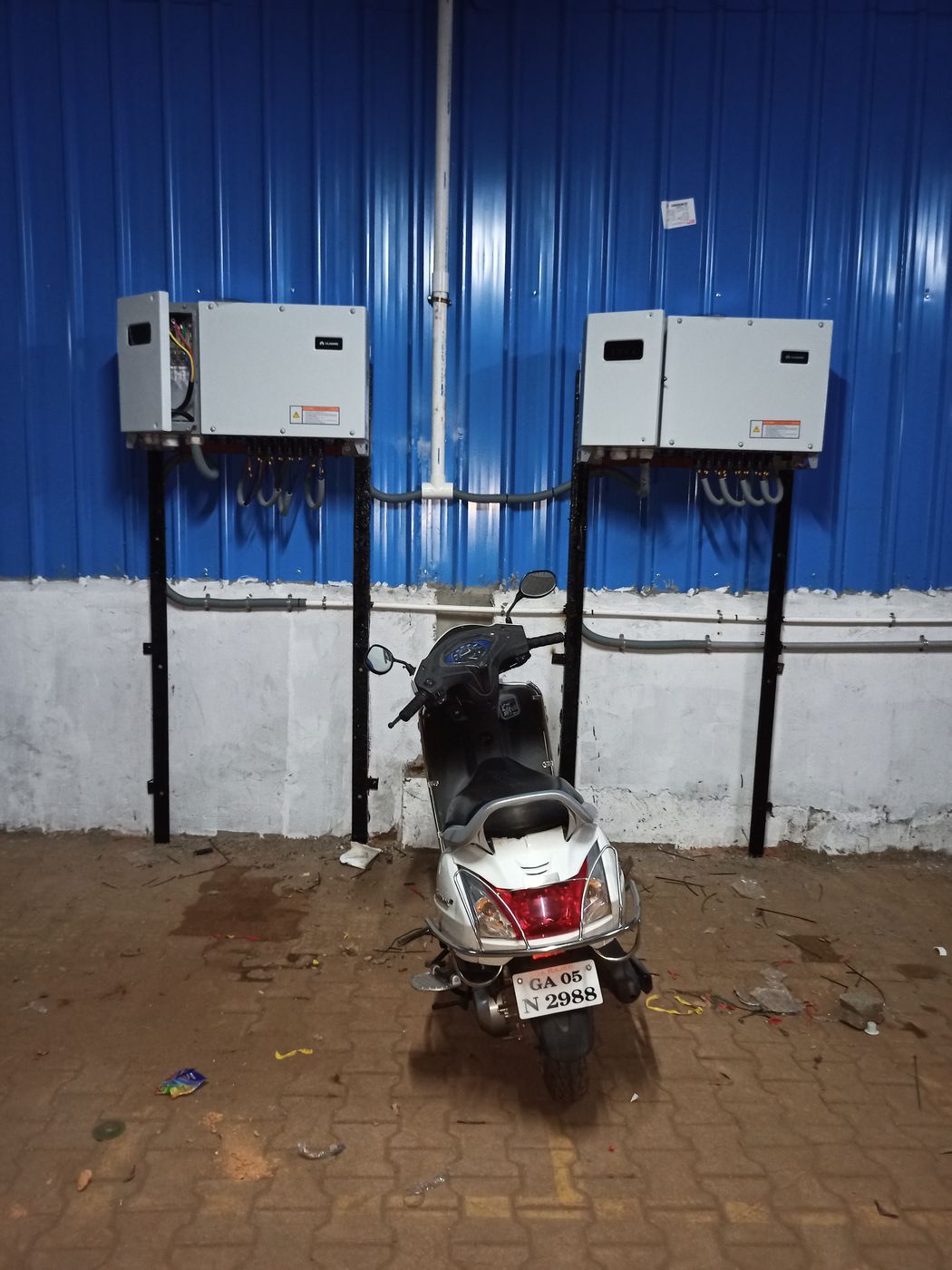
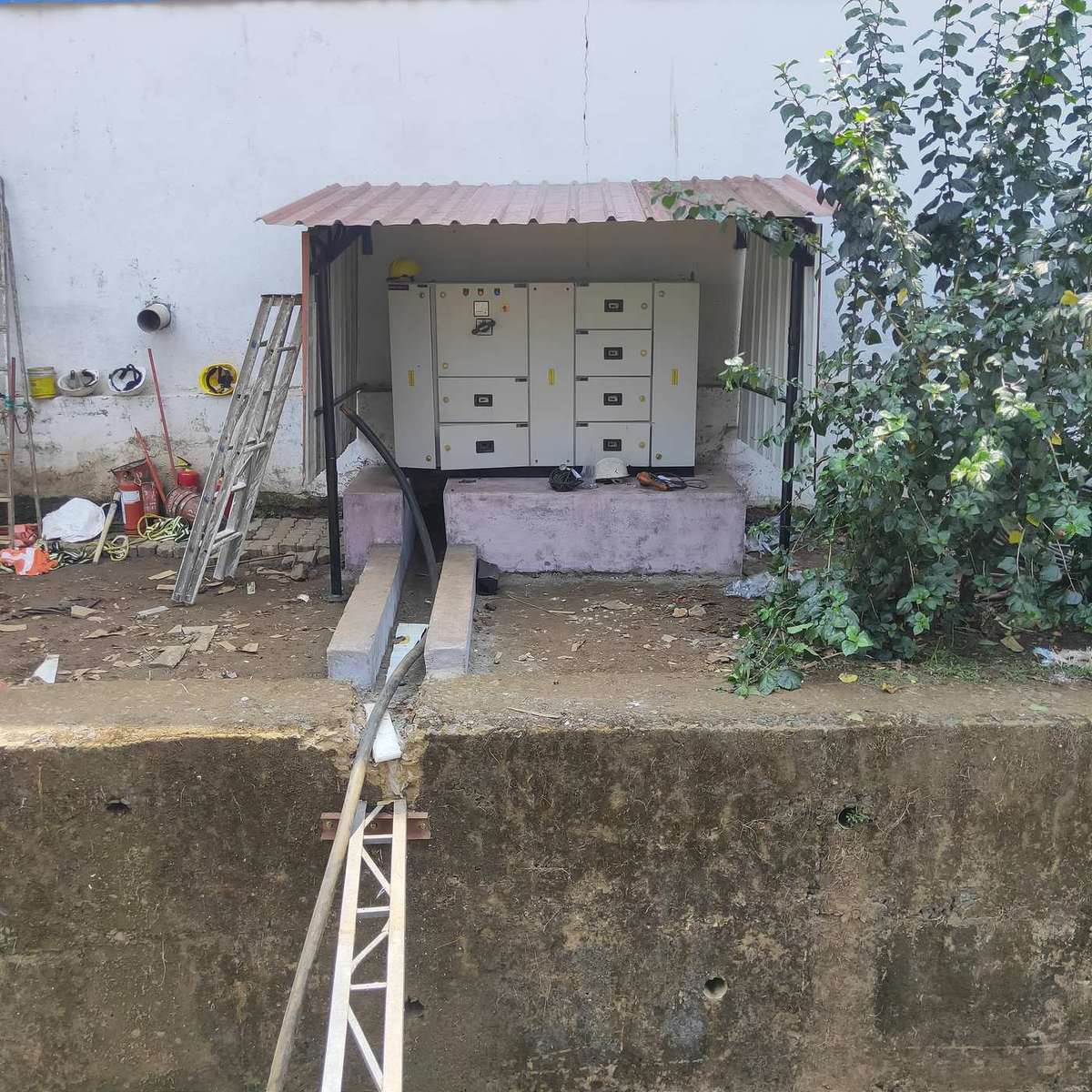
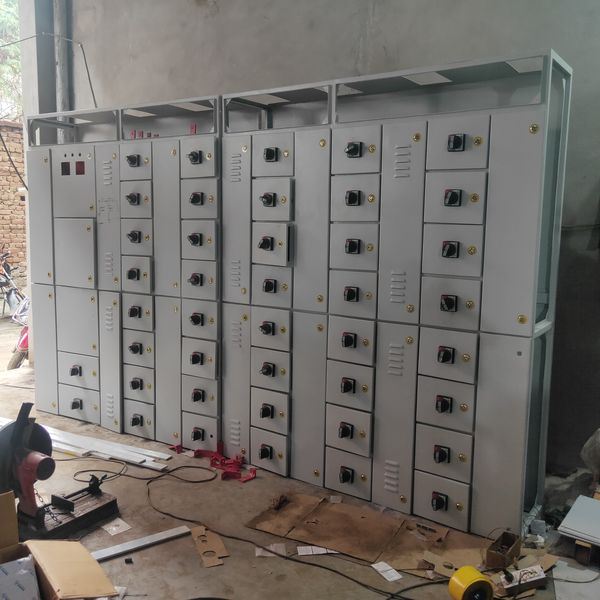
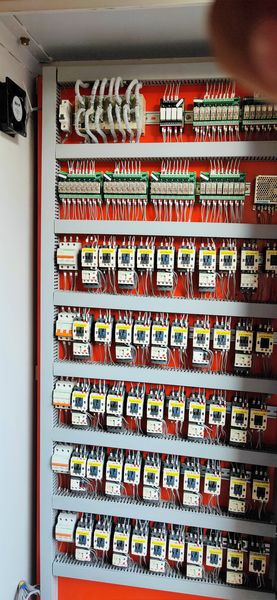
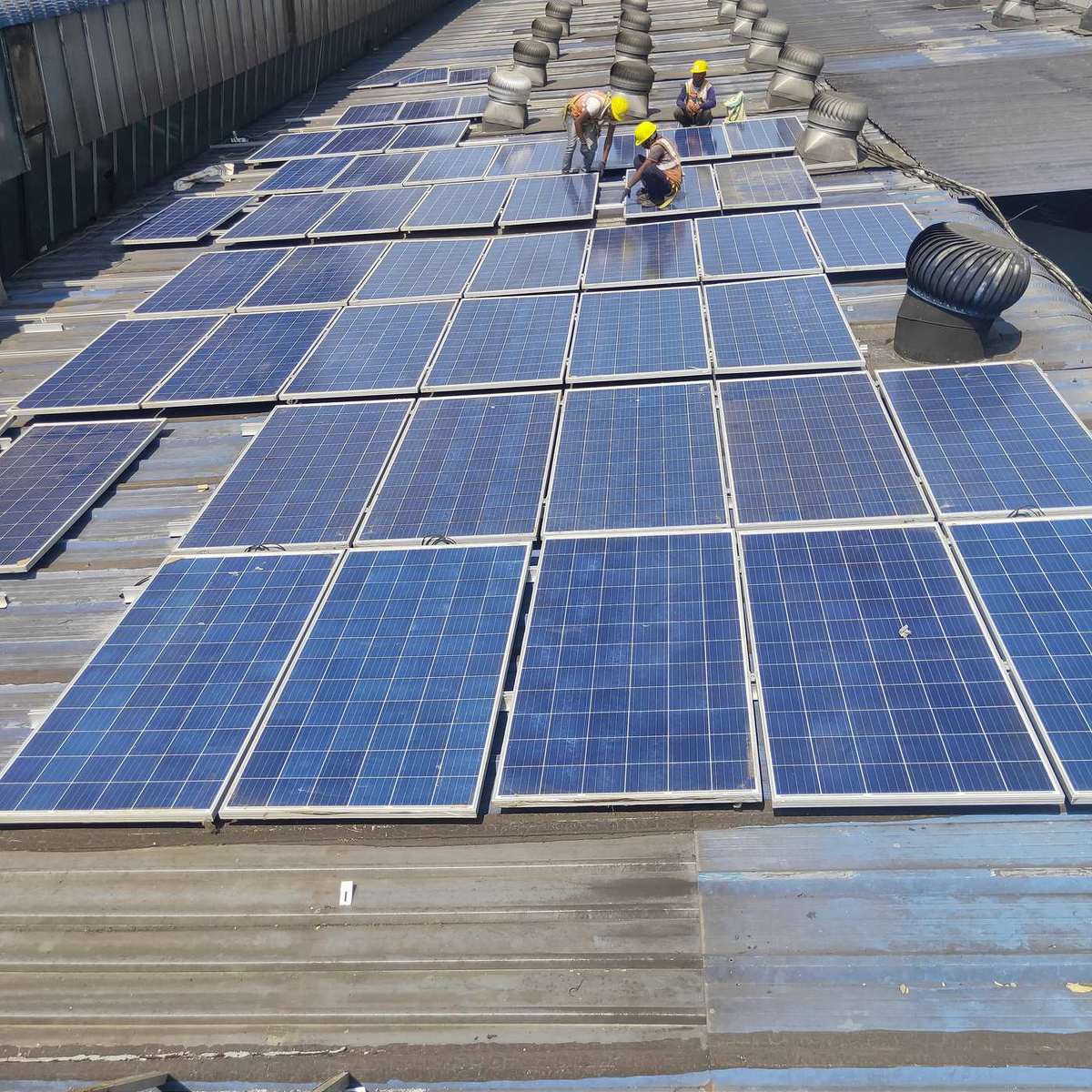
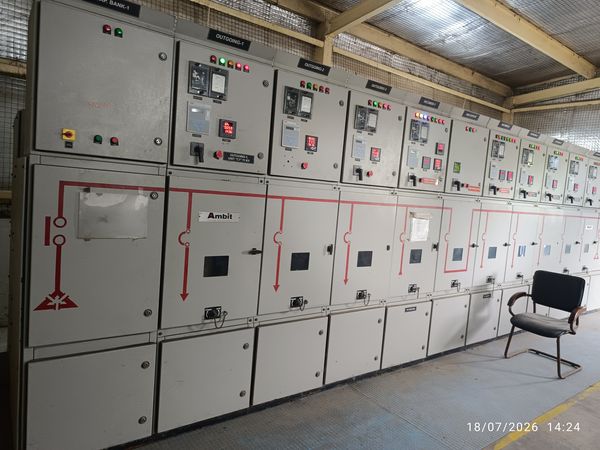
Every rooftop or ground-mount solar plant has the same chain of boxes between the panels and the grid: strings land in an array junction box (AJB), several AJBs feed a DCDB, the DCDB feeds the inverter, and the inverter output goes through an ACDB to the plant supply or the grid. Simple enough on a single line diagram — and routinely built badly, because people treat these as ordinary distribution boxes.
They are not. Solar DC has three properties that ordinary AC distribution does not: the arc does not self-extinguish, the array is a current source that cannot be short-circuit tested the usual way, and the whole assembly sits on a roof in direct sun for twenty-five years. Ignore any of the three and you get a box that works fine for two summers.
The arc is the one that catches people out. AC crosses zero a hundred times a second, so an arc extinguishes itself. DC has no zero crossing — an arc that starts simply keeps burning. That is why DC-rated fuses and DC-rated isolators are not an upgrade, they are the requirement.
These boxes live on a roof. Ambient inside a metal enclosure in a Faridabad May afternoon runs far above the shade temperature, and everything inside must be rated for it. We specify IP65 enclosures with proper UV-stable cable glands, adequate internal clearance for heat, and mounting that does not compromise the roof waterproofing. The cheapest failure mode in Indian solar is a box that filled with water in its first monsoon.
We supply these as part of complete rooftop solar EPC projects as a Luminous authorised partner, and separately to EPC contractors and installers who want them built properly.
Designed, wired, ferruled and tested in our own Faridabad workshop, and supplied with the single line diagram and test report your inspector will ask for.
Fuses, isolators and SPDs rated for DC at the array voltage. AC devices in a DC circuit are a fire waiting for a hot afternoon.
DC SPD at the AJB and again at the DCDB near the inverter, plus AC SPD on the grid side. Long rooftop runs collect surges.
IP65 enclosures, UV-stable glands, heat clearance and mounting that respects the waterproofing.
Positive and negative fused per string, so a fault in one string cannot be fed by the rest of the array.
Load-break DC isolators so the inverter and the array can be isolated safely — including by someone who is not an expert.
Single line diagram, device schedule and test report handed over, which the DISCOM inspection will want to see.
Photographs from our Faridabad workshop and from customer installations.
solar-acdb.jpgACDB, completesolar-dcdb.jpgDCDB with SPD and isolatorsolar-ajb.jpgArray junction boxsolar-db-internal.jpgInternal wiring and ferrulingsolar-db-rooftop.jpgBoxes installed on rooftopsolar-db-sld.jpgSingle line diagram suppliedThese boxes are sized from the array design, so we work from your string configuration and inverter details rather than a standard model number.
| Parameter | What it covers | Fixed at |
|---|---|---|
| Array configuration | Strings per AJB, modules per string, Voc and Isc | Enquiry |
| System voltage | Maximum DC voltage including cold-temperature Voc rise | Enquiry |
| Inverter details | Make, rating, number of MPPTs and inputs per MPPT | Enquiry |
| DC protection | Fuse rating per string, DC MCB or fuse at DCDB | Drawing approval |
| Surge protection | SPD type and location on DC and AC sides | Drawing approval |
| Isolation | DC isolator rating and position, load-break capability | Drawing approval |
| AC side | MCCB or MCB rating, metering and interface point | GA approval |
| Enclosure | IP rating, material, UV glands, mounting arrangement | GA approval |
| Documentation | SLD, device schedule, test report, labels | Always |
An ordinary AC MCB used as a DC disconnect. It looks identical, it costs less, and it will operate correctly for a while. Then one day it is asked to break a DC fault current, the arc does not extinguish because DC has no zero crossing, and the device burns rather than clears.
The second most common is under-rating the system voltage. Module Voc rises as temperature falls, so a string that measures comfortably within limits on a summer afternoon can exceed the device rating on a cold January morning. We size from cold-temperature Voc, not from the datasheet figure at 25°C.
An AJB, or array junction box, is where individual strings land and are fused — it sits close to the array. A DCDB combines the output of one or more AJBs and feeds the inverter, with isolation and surge protection near the inverter end. On a small plant the two functions are sometimes combined in one box.
No. DC has no zero crossing, so an arc that starts does not self-extinguish. An AC device asked to break DC fault current can burn instead of clearing. DC-rated fuses and isolators are a requirement, not an upgrade.
Yes. Long DC cable runs across a roof are efficient collectors of lightning-induced surges, and the inverter is the expensive thing at the end of them. We fit DC SPDs at the AJB and near the inverter, and an AC SPD on the grid side.
IP65 for rooftop installation, with UV-stable glands and proper internal clearance for heat. A box that filled with water in its first monsoon is the commonest and most avoidable failure in Indian rooftop solar.
From cold-temperature Voc, not the 25°C datasheet figure. Module open-circuit voltage rises as temperature falls, so a string that looks safe in May can exceed an under-rated device in January.
Yes. We build them as part of our own rooftop solar EPC work as a Luminous authorised partner, and also supply AJBs, DCDBs and ACDBs to EPC contractors and installers.
Yes — Delhi NCR, Gurugram, Manesar, Bhiwadi, Ghaziabad, Noida and across India.
Share the drawing or a photo on WhatsApp and we will come back with a method, a cycle time and a price.
Please add a phone number or an email so we can reply.
Only a phone number or email is needed. Everything else is optional — the WhatsApp chat opens with your requirement already written, so you can add the rest there.
Want to know more, or ask anything about Solar ACDB, DCDB & AJB? We reply fast on WhatsApp