Net metering is the arrangement that makes rooftop solar worth doing. When your plant generates more than you are using, the surplus goes to the grid and your meter counts it down. When you use more than you generate, it counts up. You pay for the difference — and that is the whole idea.
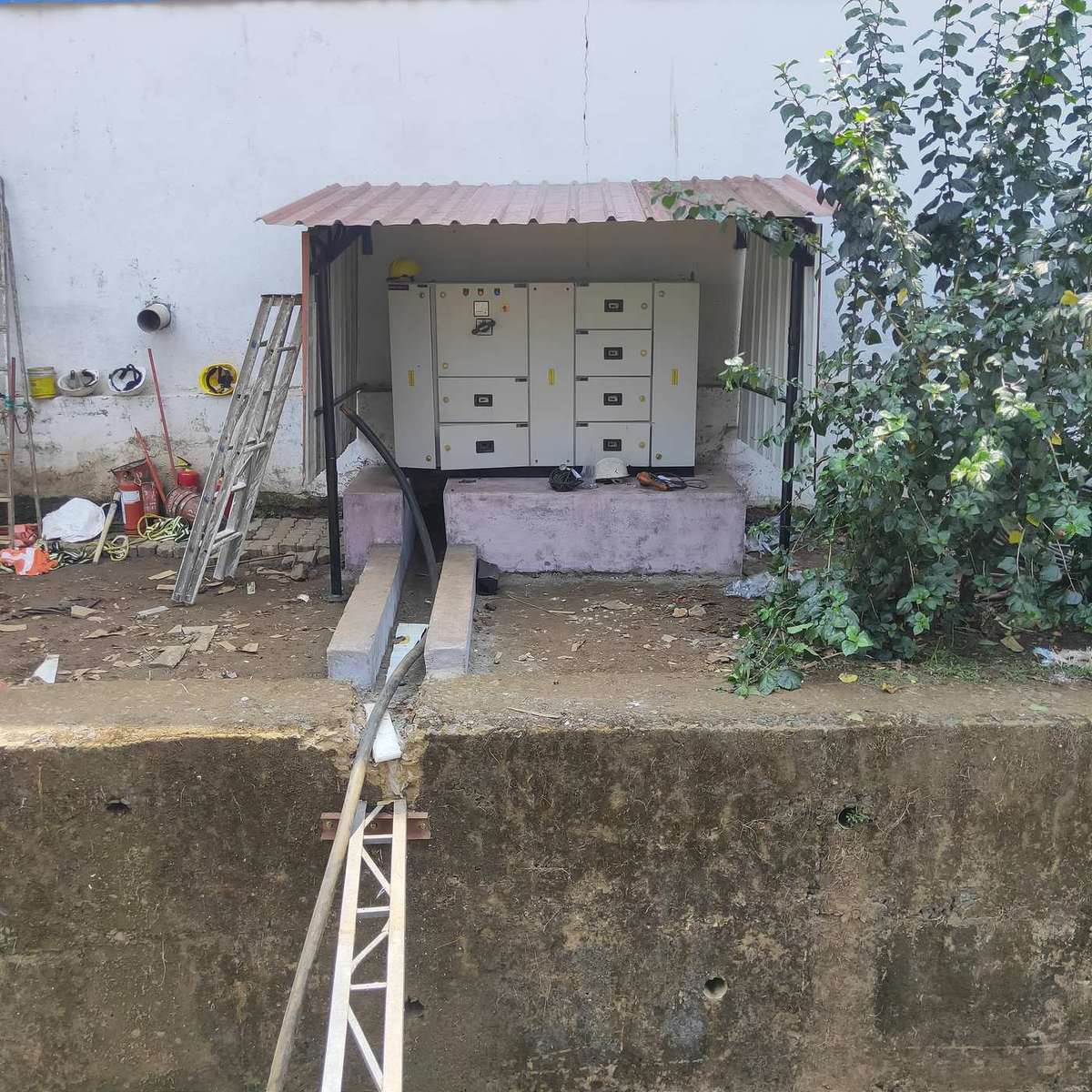
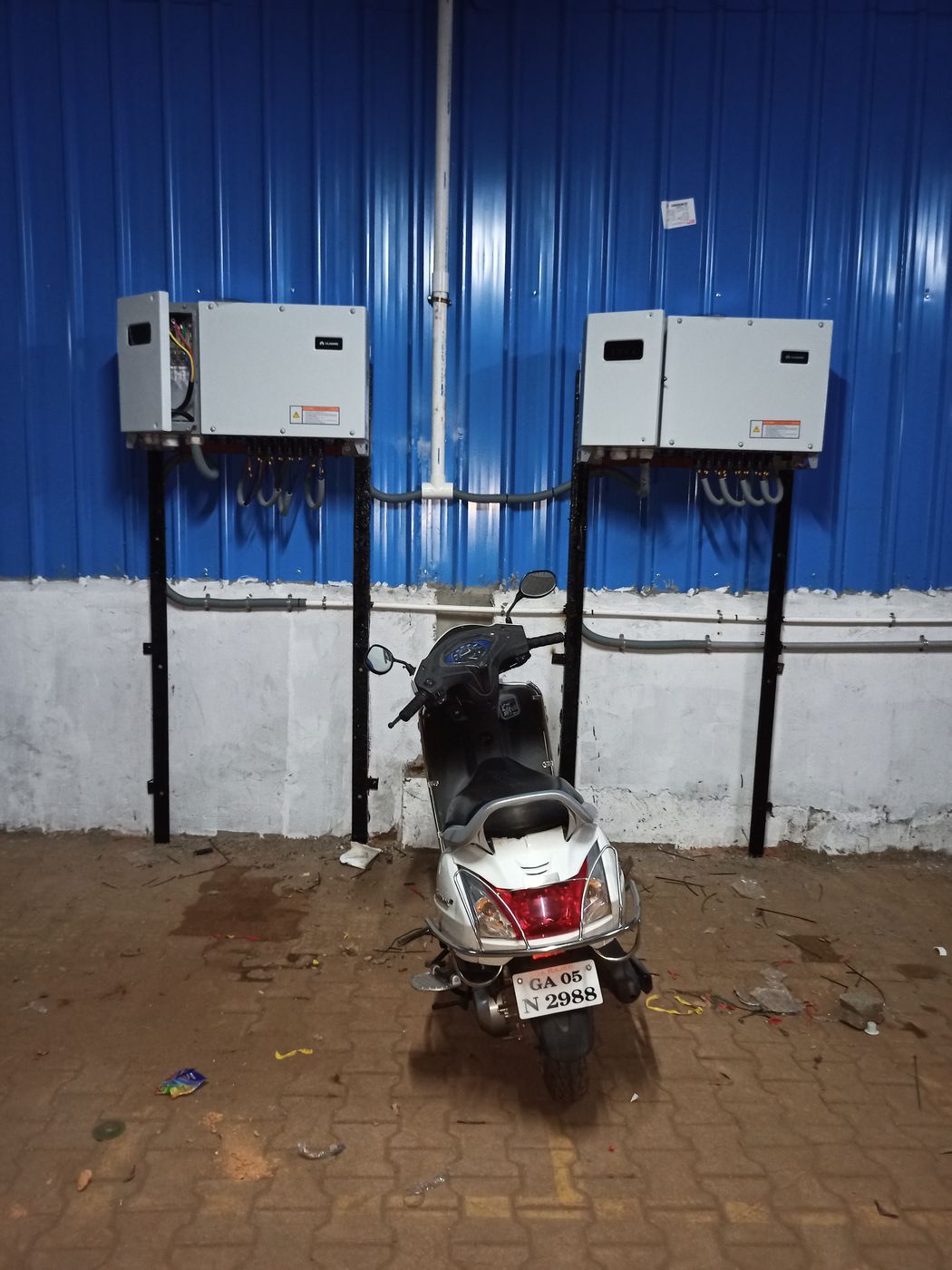
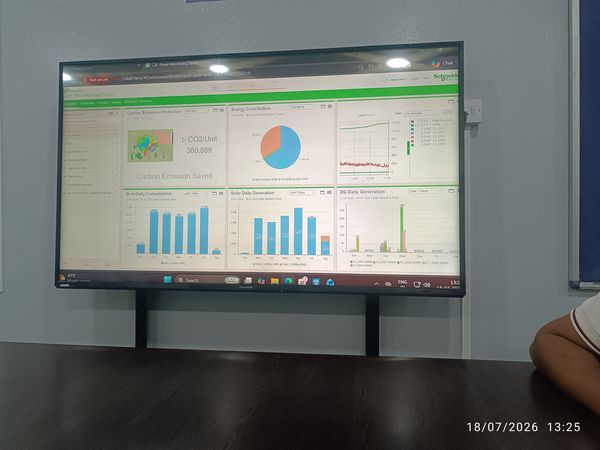
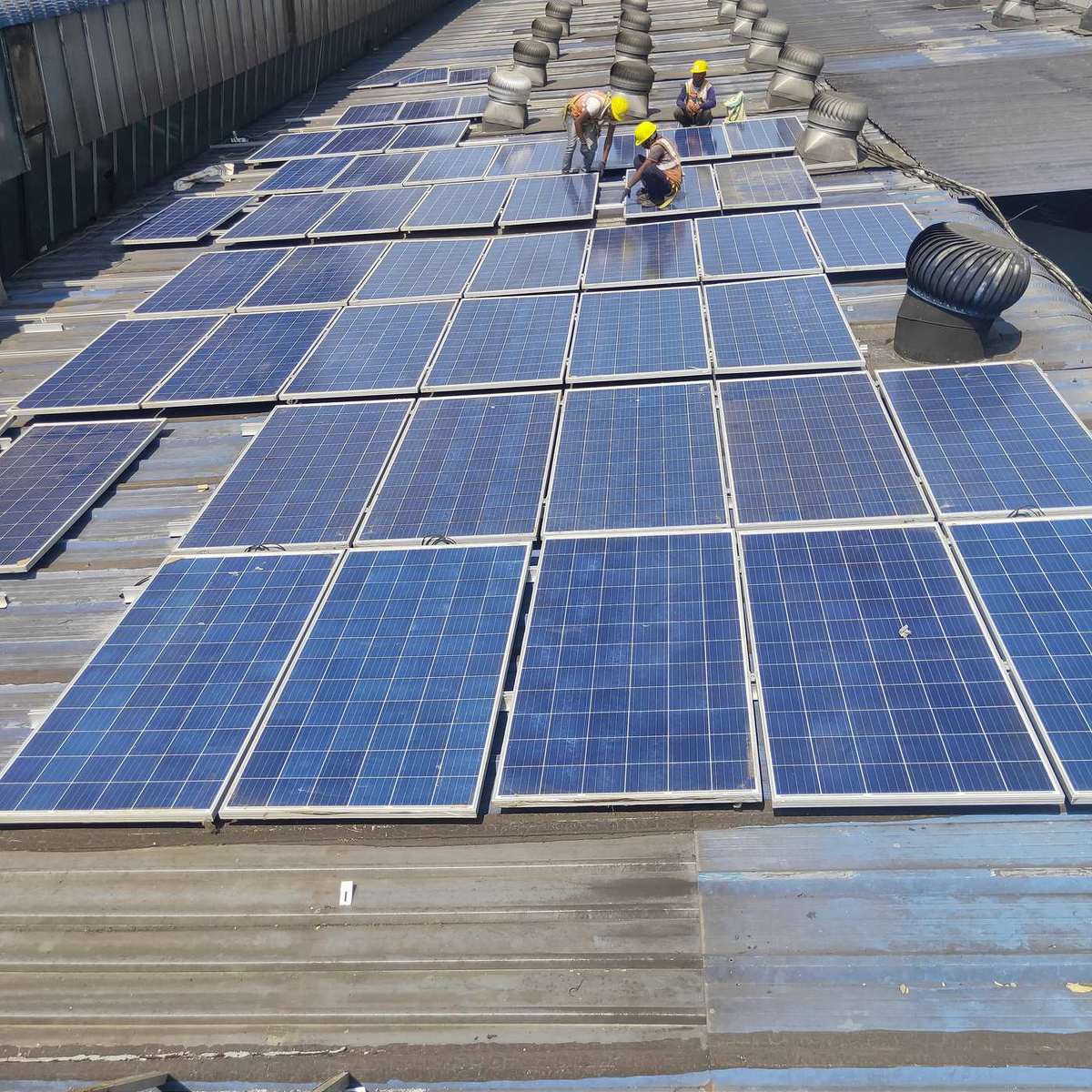
Net metering replaces your ordinary electricity meter with a bidirectional one that counts in both directions. When your solar plant produces more than the building is consuming, the surplus flows out to the grid and the meter counts it as export. At night, or when your load exceeds generation, power flows in as usual and the meter counts import.
At the end of the billing period, the DISCOM settles the difference. Export more than you imported and the surplus units are usually carried forward as a credit to the next bill. That carry-forward is what lets a plant generate at midday and effectively "spend" those units in the evening — which is the whole reason an on grid solar system without batteries makes economic sense.
The grid becomes your battery, at no capital cost. That single arrangement is worth more to a rooftop plant than any equipment choice, which is why it is worth understanding before you compare quotations.
Which of the three applies to you depends on your state, your DISCOM and your consumer category, and the rules change. We confirm the current position for your connection during the survey rather than quoting a policy from a brochure.
This is the constraint that catches most people out. DISCOMs cap the solar capacity you may connect in relation to your sanctioned load or contract demand — you cannot install a 100 kW plant on a 30 kW connection just because the roof allows it.
So the sequence matters: check the sanctioned load, check the applicable percentage, and only then size the plant. Where the roof genuinely justifies more, enhancing the sanctioned load is a separate application with its own cost and its own timeline — worth knowing before you commit, not afterwards.
Timelines vary by DISCOM and by season. What we can control is that the file is complete and correct the first time, because most delays are caused by paperwork going back and forth rather than by the utility being slow.
An on-grid plant must stop feeding the grid the instant the grid fails. If it did not, it would energise a line that a lineman believes is dead. Every approved grid-tied inverter has anti-islanding protection built in and it is checked at inspection — and it is also why a plain on-grid plant does not run your loads during a power cut. That needs a hybrid inverter with battery, which is a different design and a different price.
See also our breakdown of what drives solar installation cost and our industrial and factory solar page. We handle net metering liaison as a stated line item on every rooftop solar EPC project.
Net metering is where a lot of solar projects stall, usually over documents rather than engineering. We treat it as part of the job, not as the customer's problem after handover.
Capacity proposed only after confirming the permissible limit, so the design is not cut back at approval stage.
Most delays are incomplete files going back and forth. We submit a complete one the first time.
Net metering, net billing and gross metering rules change. We confirm what applies to your connection today.
Earthing, protection, anti-islanding and documentation prepared so the inspection passes the first time.
Coordination until the bidirectional meter is actually installed and sealed, not until the plant is switched on.
We walk you through the first net-metered bill, because they read differently and the first one always raises questions.
Photographs from our Faridabad workshop and from customer installations.
net-meter-installed.jpgBidirectional meter installednet-metering-application.jpgDISCOM application filesolar-inspection.jpgElectrical inspectionsolar-commissioning.jpgCommissioning daynet-metering-bill.jpgNet metered billsolar-sld-drawing.jpgSingle line diagram submittedThese are the points that decide whether an application goes through cleanly or comes back twice.
| Item | What it involves | Who handles it |
|---|---|---|
| Sanctioned load check | Confirming permissible solar capacity for your connection | Us, at survey |
| Application | Forms, site documents, proposed capacity, SLD | Us |
| Technical feasibility | DISCOM assessment of the local transformer capacity | DISCOM |
| Agreement | Net metering agreement signature | You, prepared by us |
| Installation | Plant built to the approved SLD and capacity | Us |
| Inspection | Earthing, protection, anti-islanding, documentation | Inspector, prepared by us |
| Meter installation | Bidirectional meter fitted and sealed | DISCOM, coordinated by us |
| Commissioning | Energisation and handover documents | Us |
| First bill review | Checking import, export and carry-forward are correct | Us, with you |
The first bill after commissioning is the one worth checking line by line. It should show import units, export units, the net position and any carry-forward credit. Occasionally a meter is programmed or read incorrectly at the start, and it is far easier to correct in month one than in month nine.
We go through it with you. It takes ten minutes and it has saved customers a great deal of argument later.
With net metering you consume your own generation first and export only the surplus, settled in units — so self-consumed power is worth your full retail tariff. With gross metering everything generated is exported at a fixed feed-in rate and everything consumed is bought back at retail. Net metering is usually better unless the feed-in tariff is unusually high.
It is limited by your sanctioned load or contract demand, with the percentage set by your state policy. That is why the sanctioned load is checked before the capacity is proposed rather than after the design is drawn.
Under net metering they are normally carried forward as a credit to subsequent bills, with settlement rules that vary by state. Effectively the grid stores your midday generation for your evening use.
Not a plain on-grid plant. Anti-islanding protection makes it shut down the moment the grid fails, so it cannot energise a line a lineman thinks is dead. Running loads during an outage needs a hybrid inverter with battery.
It varies by DISCOM and by season. Most delays come from incomplete applications going back and forth rather than from the utility itself, which is why we prepare and submit the file rather than handing you a form.
Yes — application, liaison, feasibility follow-up, inspection preparation, meter coordination and commissioning, listed as a line item in the quotation rather than left as an extra.
Yes, with limits and rules that differ by consumer category and state. For factories the economics are usually stronger anyway because most generation is self-consumed — see our industrial solar page.
Share the drawing or a photo on WhatsApp and we will come back with a method, a cycle time and a price.
Please add a phone number or an email so we can reply.
Only a phone number or email is needed. Everything else is optional — the WhatsApp chat opens with your requirement already written, so you can add the rest there.
Want to know more, or ask anything about Solar Net Metering? We reply fast on WhatsApp