We design, build and commission industrial solar — and we come at it from the electrical side, not the panel-selling side. The interconnection, the protection, the metering and the paperwork that decides whether a plant is accepted are the parts we are best at.
Free site visit and quotation across Faridabad, Ballabgarh, Palwal, Gurugram, Delhi NCR, Noida, Ghaziabad and Manesar. Looking for a rooftop solar EPC company near you? Call +91 90154 04168 — same-day reply, or send your drawing on WhatsApp.
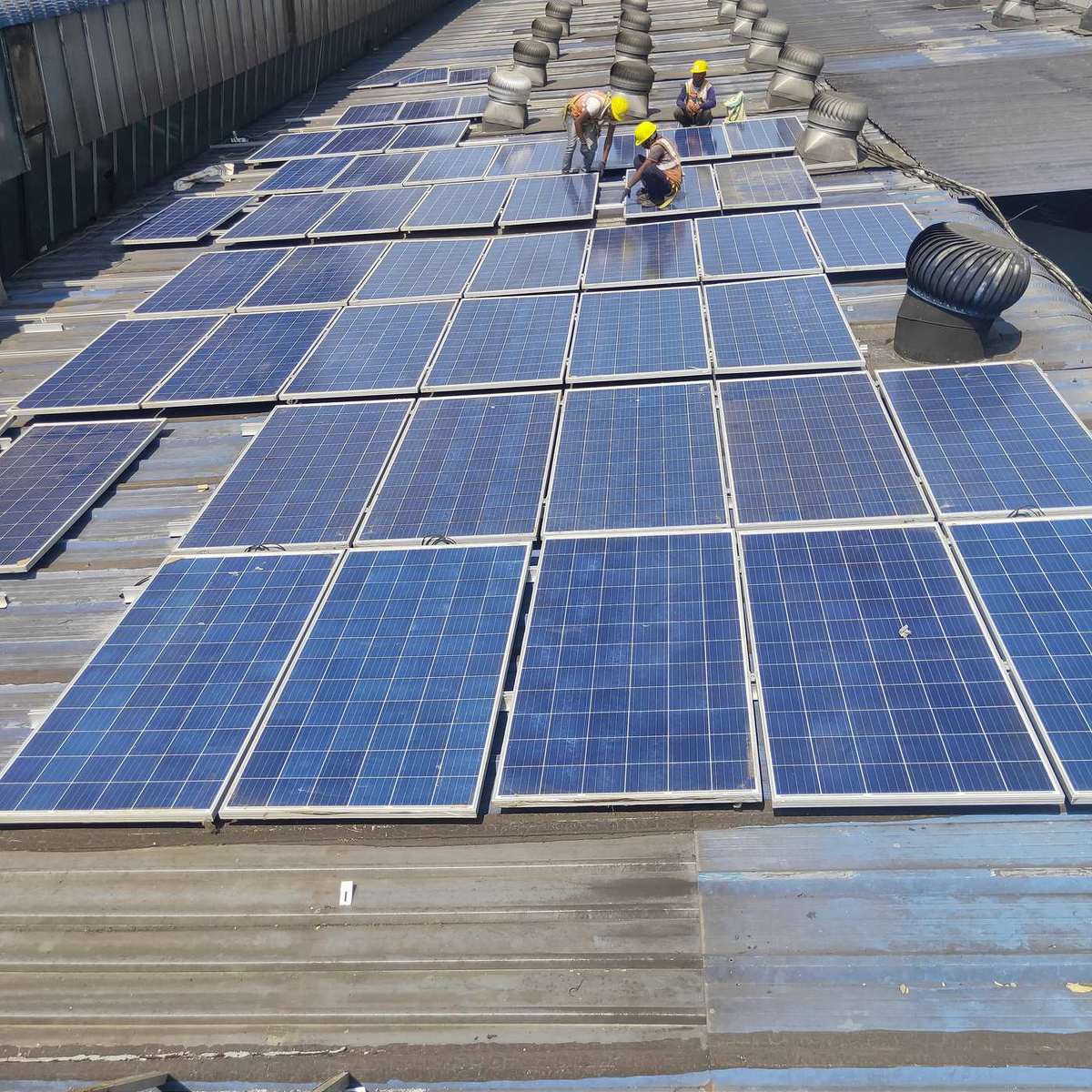
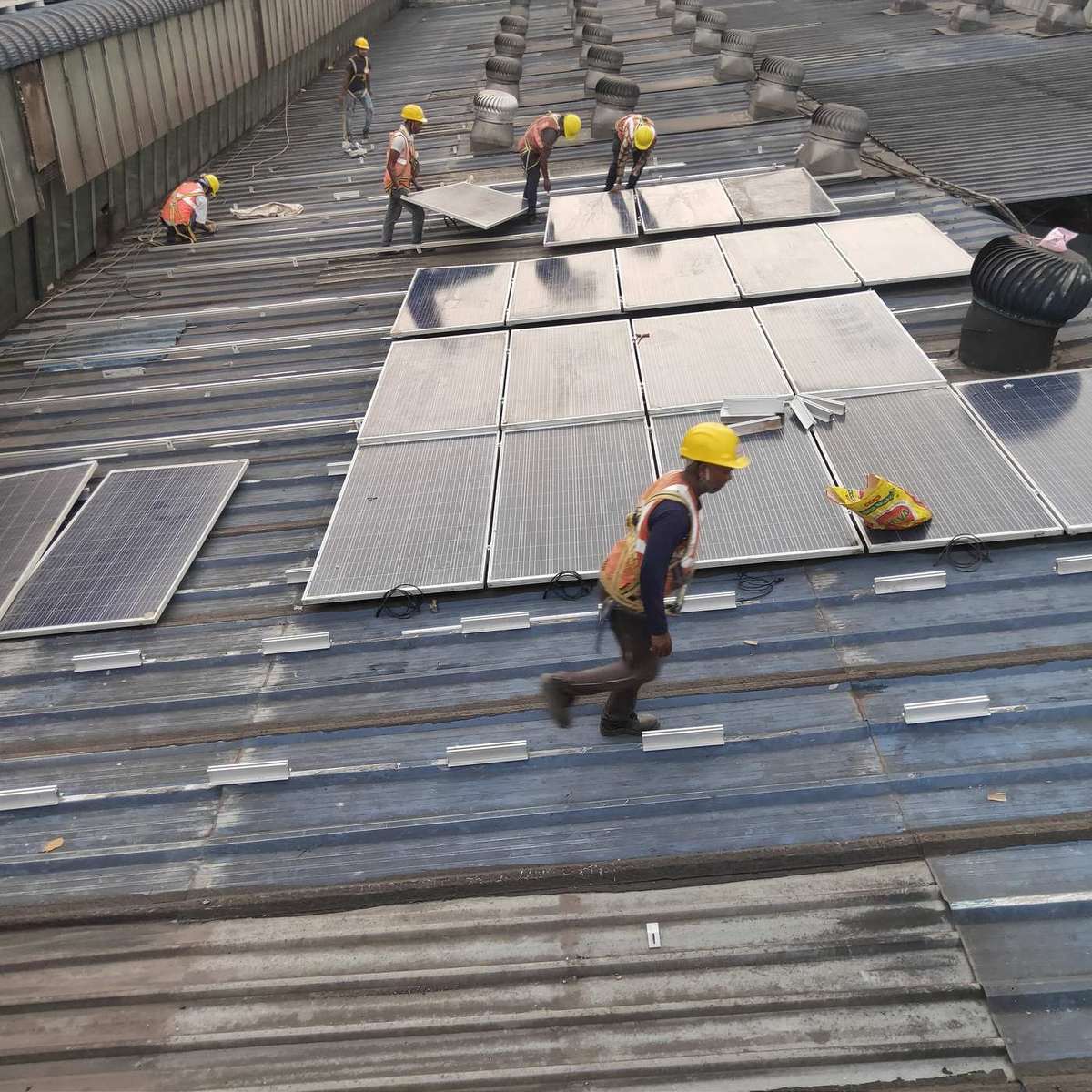
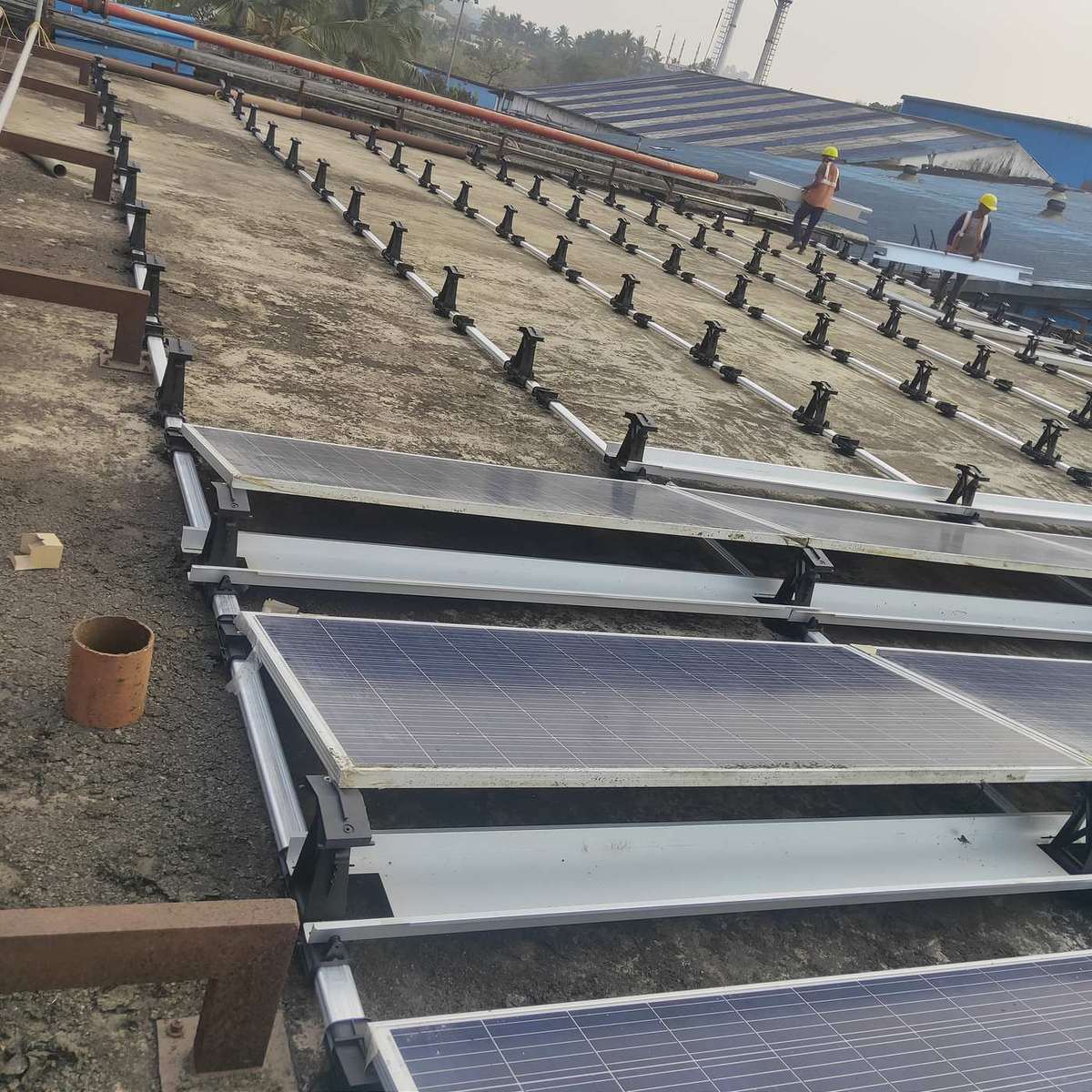
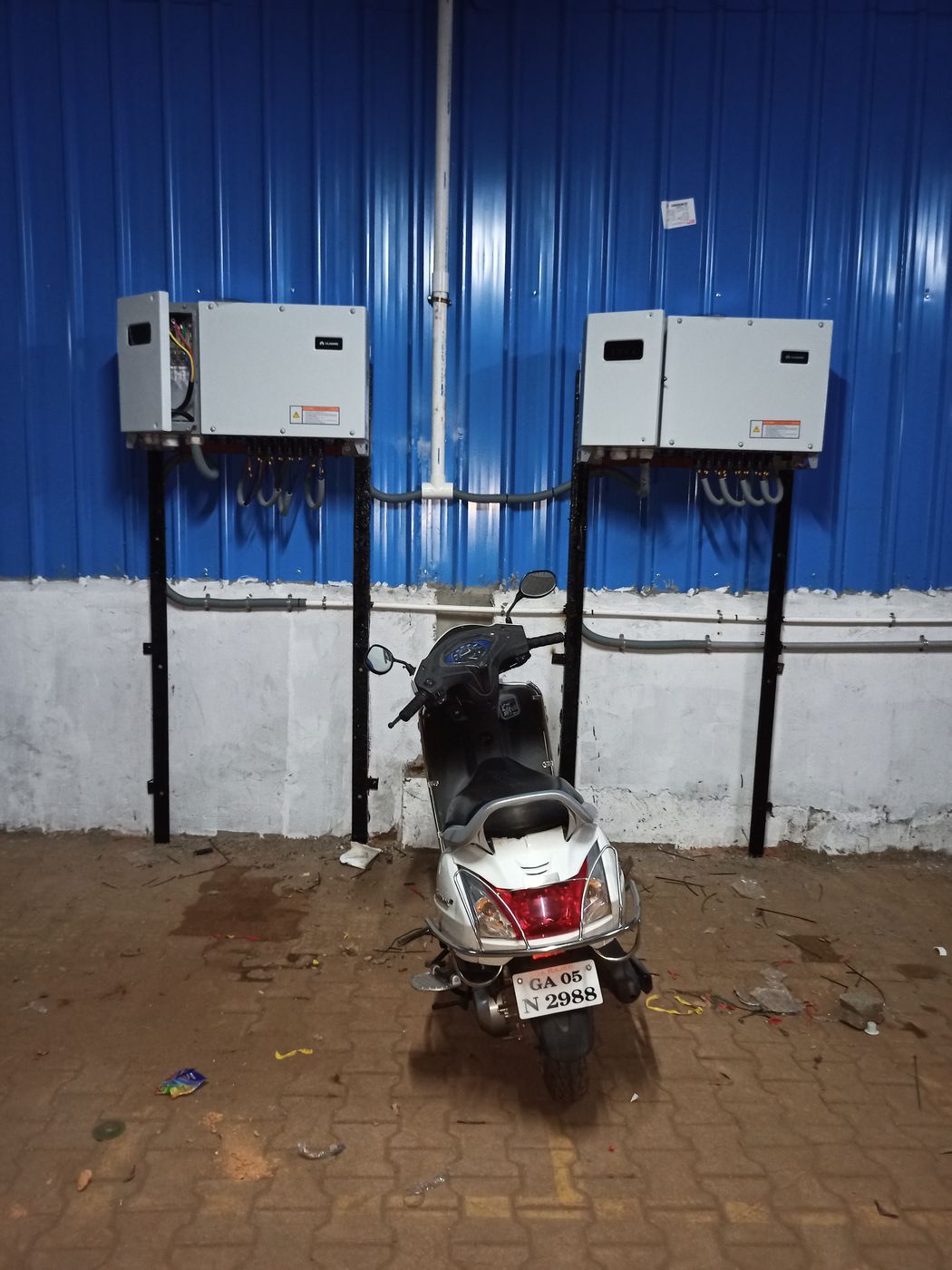
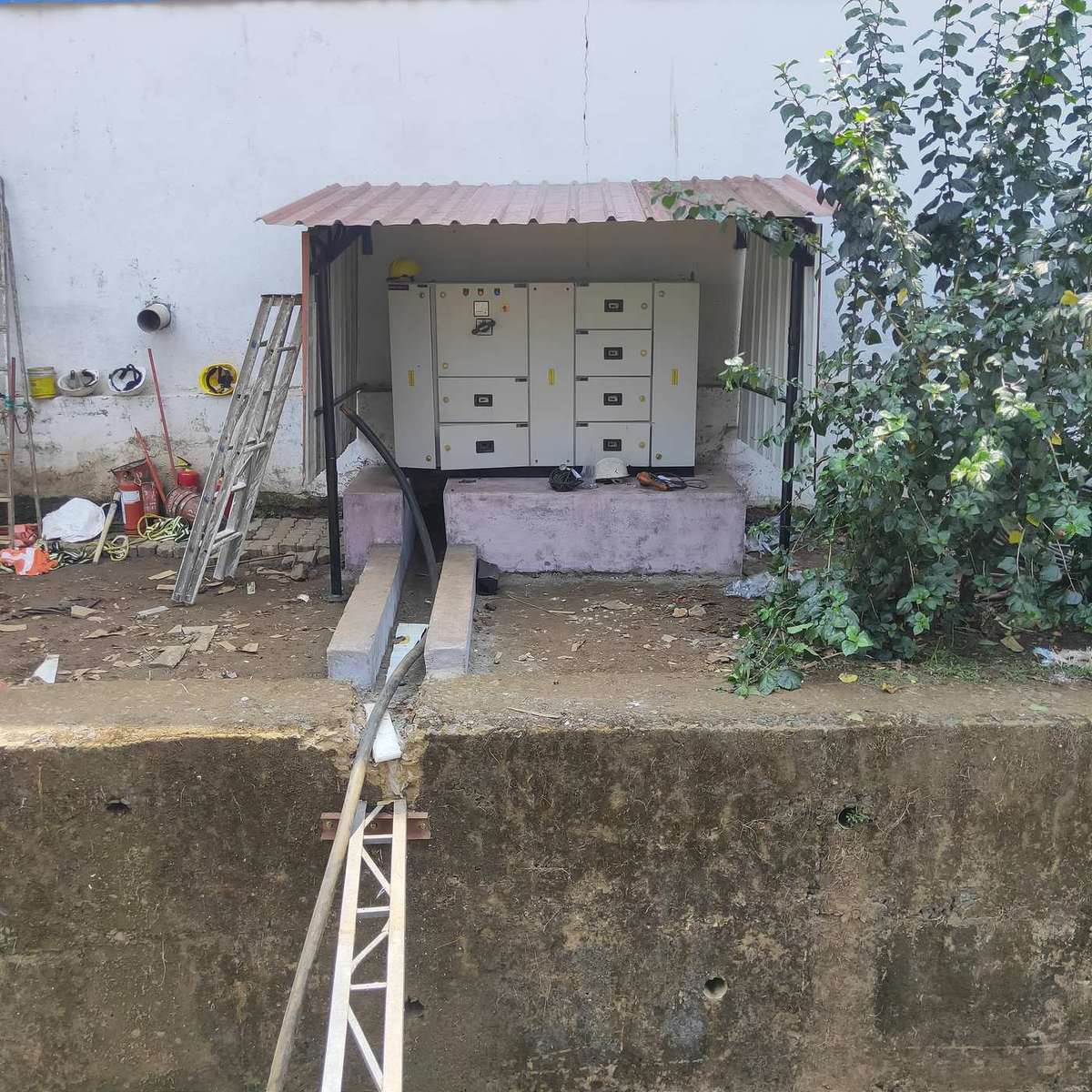
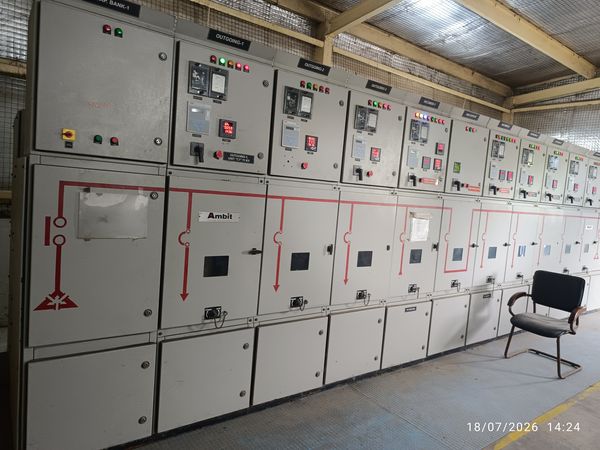
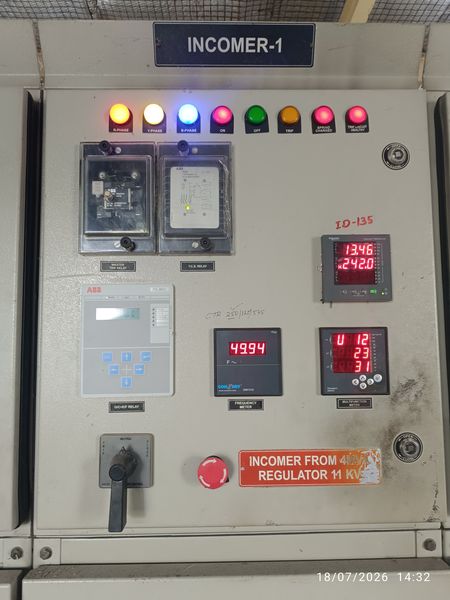
Almost every solar EPC contractor in India arrived from the panel-supply side and then had to work out your electrical system. FutureTech came the other way round. We have been building MCC, PCC and APFC panels for factories since 2012, so the part that intimidates most solar contractors — the interconnection, the protection coordination, the metering, the paperwork a DISCOM inspector actually reads — is where we are most comfortable.
That shows up at the two ends of a project that decide whether it goes smoothly: the design stage, where somebody has to know what happens to your power factor and your DG interlock, and the commissioning stage, where somebody has to produce a JMR and a certificate that both parties will sign.
We have done that at megawatt scale. Joint measurement recording and commissioning certification for a 1 MWp plant at Jhajjar — meter verified down to serial number, multiplying factor and opening reading. On a plant that size, a multiplying factor error is not a rounding error, it is a dispute.
Panels and inverters are the standardised, comparable part of a solar quotation. The difference between a plant that still generates properly in year seven and one that quietly loses fifteen percent lives entirely in the parts below — which is exactly where a cheap quotation gets cheap.
We are an authorised Solar Solution Provider for Luminous, which gives you brand-backed modules, inverters and warranty support. On the balance-of-system side — structure, cabling, DC boxes, earthing — we build and specify to what your site actually needs, because that is where plants fail and where nobody's brand warranty helps you.
Three pages worth ten minutes before you sign anything: what actually drives solar installation cost, why industrial solar pays back faster than any other kind, and how net metering really works. All three are written to help you read a quotation, not to sell you ours.
Six stages, and the first one is the one most contractors skip.
Roof condition and remaining life, structural capacity, shadow study through the day, cable route, interconnection point and sanctioned load.
Capacity sized from twelve months of bills and your shift pattern, string layout, structure drawings with wind calculations, SLD.
Submitted complete the first time. Most delays are paperwork going back and forth, not the utility being slow.
Structure erected to drawing, modules laid and torqued, DC harness routed in trays, our own DC boxes fitted.
Tie-in to your LT or HT panel, earthing tested, protection settings verified, anti-islanding proven for inspection.
Meter verified, JMR and commissioning certificate, monitoring handed over, first net-metered bill checked with you.
Photographs from installations across Faridabad and Delhi NCR.
solar-rooftop-plant.jpgCompleted rooftop plantsolar-structure.jpgMounting structure detailsolar-inverter-install.jpgInverter roomsolar-dcdb.jpgOur own DCDB installedsolar-commissioning.jpgCommissioning daysolar-net-meter.jpgNet meter installedTwelve months of electricity bills, your sanctioned load, and a photograph of the roof. Then a site visit. Anyone quoting a firm price on a first call is guessing, because the structure, roof type, cable run and interconnection are what actually vary.
It is capped in relation to your sanctioned load or contract demand, with the percentage set by state policy. We check the limit during the survey before proposing a capacity, so the design does not get cut back at approval stage.
We have delivered commissioning, joint measurement recording and certification on a 1 MWp plant, and we build and execute industrial rooftop projects. For large ground-mount work tell us the scale and we will tell you honestly what we take on directly and where we work with partners.
Not a plain on-grid system — anti-islanding shuts it down so it cannot energise a line a lineman believes is dead. Running loads through an outage needs a hybrid inverter with battery, which is a different design and price.
It can. Solar supplies real power but not reactive power, so the power factor at the meter changes and your APFC settings may need revisiting. Having built APFC panels since 2012, we check that at design stage rather than leaving you to find it on the next bill.
A plant lasts twenty-five years. Putting one on a roof with eight years left creates an expensive problem later. We assess the roof honestly and will tell you to replace the sheet first if that is the right answer.
Yes. We build ACDBs, DCDBs and array junction boxes with DC-rated devices in our own workshop, and supply them to installers and EPC contractors separately from our own project work.
We will come and survey it, then give you a number that does not change afterwards.
Please add a phone number or an email so we can reply.
Only a phone number or email is needed. Everything else is optional — the WhatsApp chat opens with your requirement already written, so you can add the rest there.
Want to know more, or ask anything about Industrial & Rooftop Solar EPC in Faridabad? We reply fast on WhatsApp